What Is MBTI? The 16 Personality Types Ranked by Overthinking
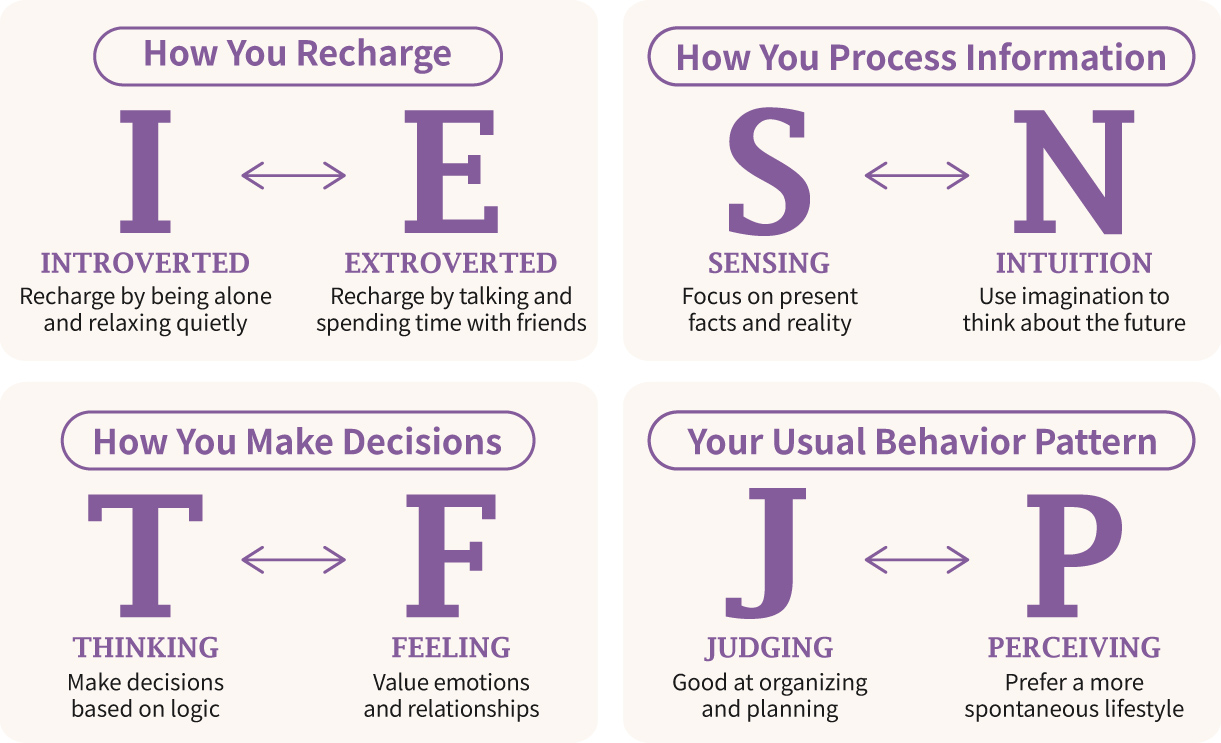
MBTI (Myers-Briggs Type Indicator) is a popular personality assessment tool that categorizes people into 16 personality types based on preferences across four dimensions.
It can help you better understand your way of thinking, communication style, and how you react under pressure.
Take the MBTI 16 Personalities Test!
MBTI “Overthinking” Ranking — Which Type Are You?
“Overthinking” means being caught between emotions and thoughts, gradually draining your own energy. Different MBTI types tend to overthink for different reasons.
|
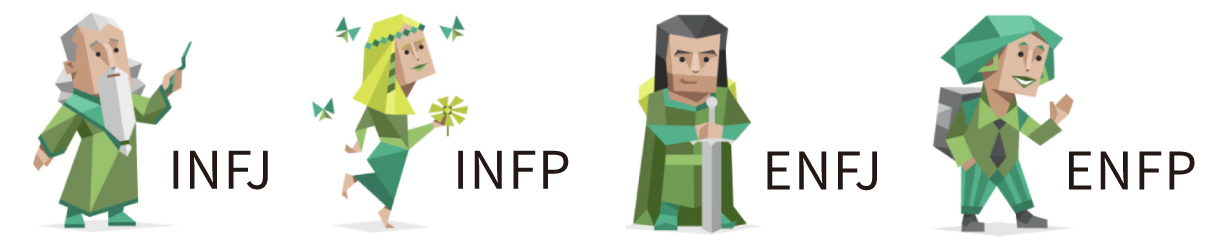
TOP1 The Ultimate Overthinkers: Sensitive and Easily Affected
This group is usually emotionally delicate and highly empathetic, but also tends to think too much.
They often have deep expectations for people, relationships, and ideals. When reality does not match their inner vision, they can easily fall into cycles of overthinking and emotional struggle.
|
|
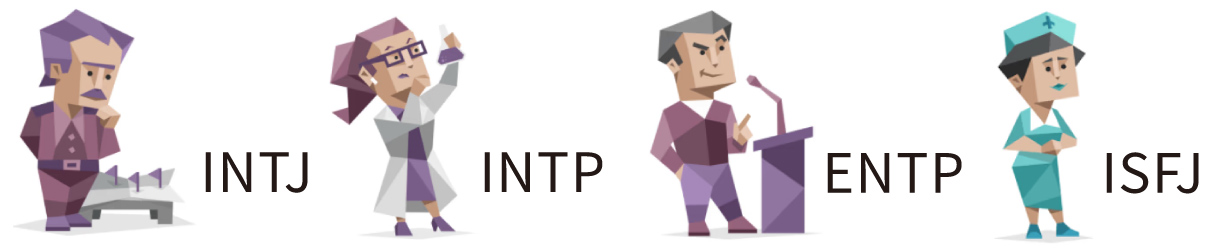
TOP2 Calm on the Outside, Overthinking on the Inside
For this group, overthinking often comes from analyzing too much or taking on too much responsibility.
INTJs and INTPs tend to keep analyzing situations in their minds. ENTPs may fall into self-doubt when frustrated, while ISFJs often spend too much energy taking care of others and neglecting themselves.
|
|

TOP3 Occasionally Doubt Themselves
Their overthinking often comes from anxiety about change, leaving them torn between wanting things to be better and fearing loss of control.
Some are easily affected by other people’s opinions. Others struggle between freedom and security, while some put too much pressure on themselves when things do not go as planned.
|
|

TOP4 Rarely Overthink
This group is generally less likely to get stuck in long periods of emotional overthinking.
They tend to focus more on reality, efficiency, and results. When problems arise, they prefer to deal with them directly rather than dwell on their emotions.
|
Every personality type has its own rhythm and way of managing energy — just like motor applications. By understanding the differences and choosing the right characteristics, you can find the most suitable setup and make every operation more stable and efficient.